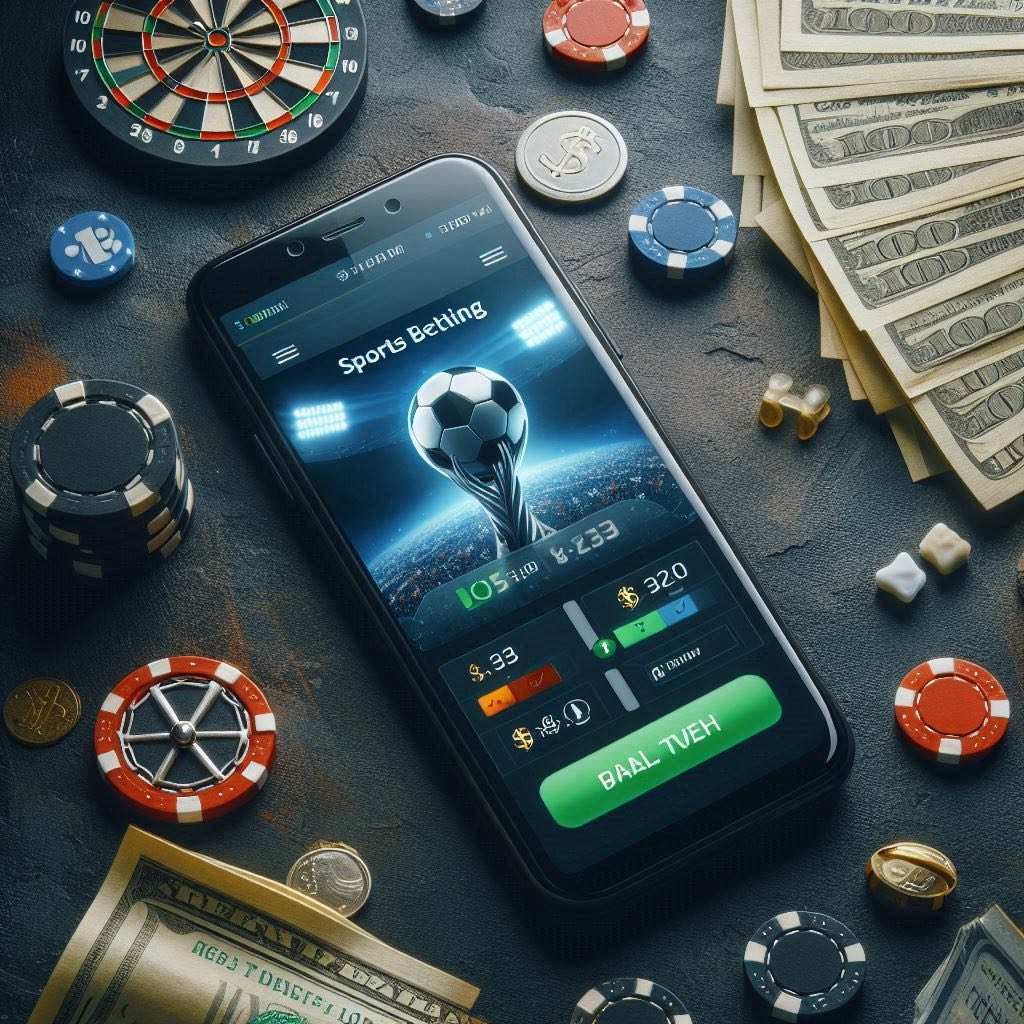
Exploring the future trends in gambling what awaits players

Exploring the future trends in gambling what awaits players

The Rise of Online Gambling

The landscape of gambling is undergoing a seismic shift, with online platforms rapidly gaining popularity among players. The convenience of playing from home, combined with the vast array of gaming options, has attracted a diverse demographic. Many players are turning to new online casinos not on gamstop, seeking enjoyable experiences without restrictions. With the advancements in technology, online casinos now offer an immersive experience akin to that found in physical establishments.

Moreover, the global pandemic accelerated this trend as many brick-and-mortar casinos faced temporary closures. Players discovered the ease of accessing their favorite games via mobile apps and websites, leading to a significant rise in participation. As this trend continues, we can expect more innovations in user experience and game offerings.

Virtual Reality and Augmented Reality in Gaming

Virtual Reality (VR) and Augmented Reality (AR) technologies are set to revolutionize the gambling experience. With VR headsets becoming more affordable and accessible, players will soon find themselves immersed in fully interactive environments. Imagine walking through a virtual casino, selecting games, and interacting with other players in real-time.

AR enhances this experience by blending digital elements with the real world, allowing players to engage with games in unprecedented ways. This technology will likely attract younger audiences, pushing the boundaries of what is possible in gambling entertainment.

Cryptocurrency and Blockchain Integration

The introduction of cryptocurrencies and blockchain technology is transforming how players engage with online gambling platforms. Cryptocurrencies offer players increased anonymity, security, and lower transaction fees, making them an attractive option for online gambling transactions. As more operators adopt these payment methods, players will benefit from faster withdrawals and deposits.

Blockchain technology also enhances transparency and fairness in gaming. Players can verify the legitimacy of games and ensure that results are not manipulated. This increased trust in online platforms can lead to greater participation and a more robust gambling economy.

Personalized Gaming Experiences through AI

Artificial Intelligence (AI) is playing a crucial role in shaping the future of gambling by providing personalized gaming experiences. Operators can analyze player behavior and preferences to create tailored recommendations, promotions, and gaming environments. This level of customization enhances player engagement and satisfaction.

Furthermore, AI can improve customer service through chatbots and virtual assistants, providing players with instant support and guidance. This technology will be instrumental in retaining customers and enhancing their overall gaming journey.

Community and Networking in the Gambling World

As gambling evolves, the sense of community and networking will become increasingly important for players. Online platforms will foster connections among players, encouraging collaboration and sharing of strategies, particularly in competitive environments such as poker. This social aspect adds another layer to the gambling experience.

Websites and forums dedicated to gambling can provide invaluable resources, helping players to learn from one another and enhance their skills. Such communities ensure that players feel supported and engaged, enriching their overall gaming experience and contributing to a thriving gambling culture.

Understanding the basics of gambling A beginner’s roadmap to success

Understanding the basics of gambling A beginner’s roadmap to success

What is Gambling?

Gambling refers to the act of wagering money or something of value on an event with an uncertain outcome, primarily with the intent of winning additional money or valuables. This practice has existed for centuries, evolving from simple games of chance to complex, strategic activities encompassing various forms, including casino games, sports betting, and online casinos. For beginners, understanding what constitutes gambling is crucial in order to navigate the landscape effectively.

The essence of gambling lies in risk and reward. Players are enticed by the possibility of winning substantial amounts, but it’s vital to recognize that the house always has an edge in the long run. Beginners should familiarize themselves with different types of gambling to determine which suits their interests and risk tolerance. High roller experiences often highlight the extremes of this thrill, showcasing how some players take risks for potentially immense rewards.

The Psychology Behind Gambling

The psychology of gambling is fascinating and can greatly influence a player’s experience. Many individuals engage in gambling for entertainment, seeking the thrill that comes with the uncertainty of outcomes. This excitement can lead to a state of euphoria, especially during wins, but it can also induce stress and anxiety during losses. Understanding these psychological factors can help beginners manage their emotions and develop healthier gambling habits.

Types of Gambling Games

Gambling encompasses a wide variety of games, each with its own rules, strategies, and odds. Casino games, such as poker, blackjack, and roulette, offer different experiences and require varying degrees of skill and luck. While some games are purely chance-based, others, like poker, involve a significant element of strategy and psychology.

Sports betting is another popular form of gambling, where players wager on the outcome of sporting events. This type often requires knowledge of the sport and an understanding of betting odds. Beginners should explore different types of games to find what resonates most with them, balancing enjoyment with an awareness of the risks involved.

Responsible Gambling Practices

Engaging in responsible gambling is critical for maintaining a healthy relationship with this activity. Beginners should set strict limits on the amount of time and money they are willing to spend. This self-imposed regulation can help prevent the escalation of losses and mitigate the risk of developing gambling problems.

Your Resource for Gambling Insights

Our website serves as a comprehensive resource for those looking to deepen their understanding of gambling. With articles covering everything from basic principles to advanced strategies, we aim to empower beginners with the knowledge they need to navigate the gambling world successfully. Whether you’re interested in learning about specific games or responsible gambling practices, our content is tailored to meet diverse needs.

Coronavirus disease 2019

Coronavirus disease 2019

COVID-19 is a contagious disease caused by the coronavirus SARS-CoV-2. In January 2020, the disease spread worldwide, resulting in the COVID-19 pandemic.

The symptoms of COVID‑19 can vary but often include fever,[7] fatigue, cough, breathing difficulties, loss of smell, and loss of taste.[8][9][10] Symptoms may begin one to fourteen days after exposure to the virus. At least a third of people who are infected do not develop noticeable symptoms.[11][12] Of those who develop symptoms noticeable enough to be classified as patients, most (81%) develop mild to moderate symptoms (up to mild pneumonia), while 14% develop severe symptoms (dyspnea, hypoxia, or more than 50% lung involvement on imaging), and 5% develop critical symptoms (respiratory failure, shock, or multiorgan dysfunction).[13] Older people have a higher risk of developing severe symptoms. Some complications result in death. Some people continue to experience a range of effects (long COVID) for months or years after infection, and damage to organs has been observed.[14] Multi-year studies on the long-term effects are ongoing.[15]

COVID‑19 transmission occurs when infectious particles are breathed in or come into contact with the eyes, nose, or mouth. The risk is highest when people are in close proximity, but small airborne particles containing the virus can remain suspended in the air and travel over longer distances, particularly indoors. Transmission can also occur when people touch their eyes, nose, or mouth after touching surfaces or objects that have been contaminated by the virus. People remain contagious for up to 20 days and can spread the virus even if they do not develop symptoms.[16]

Testing methods for COVID-19 to detect the virus’s nucleic acid include real-time reverse transcription polymerase chain reaction (RT‑PCR),[17][18] transcription-mediated amplification,[17][18][19] and reverse transcription loop-mediated isothermal amplification (RT‑LAMP)[17][18] from a nasopharyngeal swab.[20]

Several COVID-19 vaccines have been approved and distributed in various countries, many of which have initiated mass vaccination campaigns. Other preventive measures include physical or social distancing, quarantining, ventilation of indoor spaces, use of face masks or coverings in public, covering coughs and sneezes, hand washing, and keeping unwashed hands away from the face. While drugs have been developed to inhibit the virus, the primary treatment is still symptomatic, managing the disease through supportive care, isolation, and experimental measures.